
One stone has fallen out, but the other stones look intact. A minor fix may be enough here. Before you accept a new wall, have a mason inspect the area below the damaged stone and determine why the stone moved.
How to Know if Your Retaining Wall Needs Repair or Replacement?
If a mason takes out the damaged part, how much wall would you have left? Worn mortar doesn’t necessarily mean worn-out stone. A mason may be able to repair those joints. Now suppose the lower row sits closer to the path. Check the base too.
Take a look upslope. Is there a driveway above this section? The wall has to support the load above, plus the soil. Have your old photographs available at the visit. The assessor will need the age and material of the wall as well. Previous owners may know about past changes a new owner would never notice.
Signs Your Retaining Wall May Need Repair or Replacement!
You can show these defects to the mason without a technical name. Point out the area first, then describe any change you have noticed.
| At your wall | What needs a check |
| A fine crack runs across the face. | The mason checks the crack’s depth. |
| One stone sits out of line. | Examine the stones near this one too. |
| Mortar has fallen out of the joints. | Has the wall moved as well? |
| You see a patch of bare ground. | Is the loss at the surface or deeper? |
| A joint stays wet after rain. | Find out where this water comes from. |
| The middle pushes outward. | Have a professional assess the wall’s stability. |
Keep people away from the wall until a professional assesses its movement.
Differences Between Retaining Wall Repair and Replacement!
An assessment of retaining wall repair vs. replacement should identify the parts you can keep. A mason might need to replace retaining wall caps without any work on the base. Lost support needs a different approach.
| Detail | Repair | Replacement |
| Condition | Most of the old wall stays. | The structure has failed, or damage is widespread. |
| Masonry | A mason works on the damaged units. | The crew takes down the wall to reconstruct it. |
| Excavation | Some soil may have to come out. | Leave space behind the wall’s face for the base. |
| Drains | Old drains may need repairs as well. | Decide where water goes before stone goes in. |
| Appearance | You may notice the new stone. | Choose stone for the entire face. |
| Yard | A small job needs access too. | Make room for equipment and stone deliveries. |
| Cost and care | Compare repairs on the same basis. | Removal adds work. Both options need care. |
When replacing existing retaining wall sections, the crew must protect nearby undamaged sections. You need to know where the repair stops and how the old and new sections will meet.
Why Retaining Walls Can Fail in Connecticut?
Frost damage can occur before a wall collapses. A few pieces of mortar may lie on the path after snow has melted. There’s room for rain inside an open joint. Once this water freezes, the ice takes up more space and may damage the joint. A mason should check the base as well if the ground has moved.
Suppose you added soil for a new bed above the wall. You haven’t touched the stone, but the load has changed. Rain may now run toward the wall from a new drive too. Describe this work at the assessment. Homeowners may know about changes over the years that a new contractor won’t notice by inspecting the wall alone.
How Drainage Affects Wall Repair and Replacement?
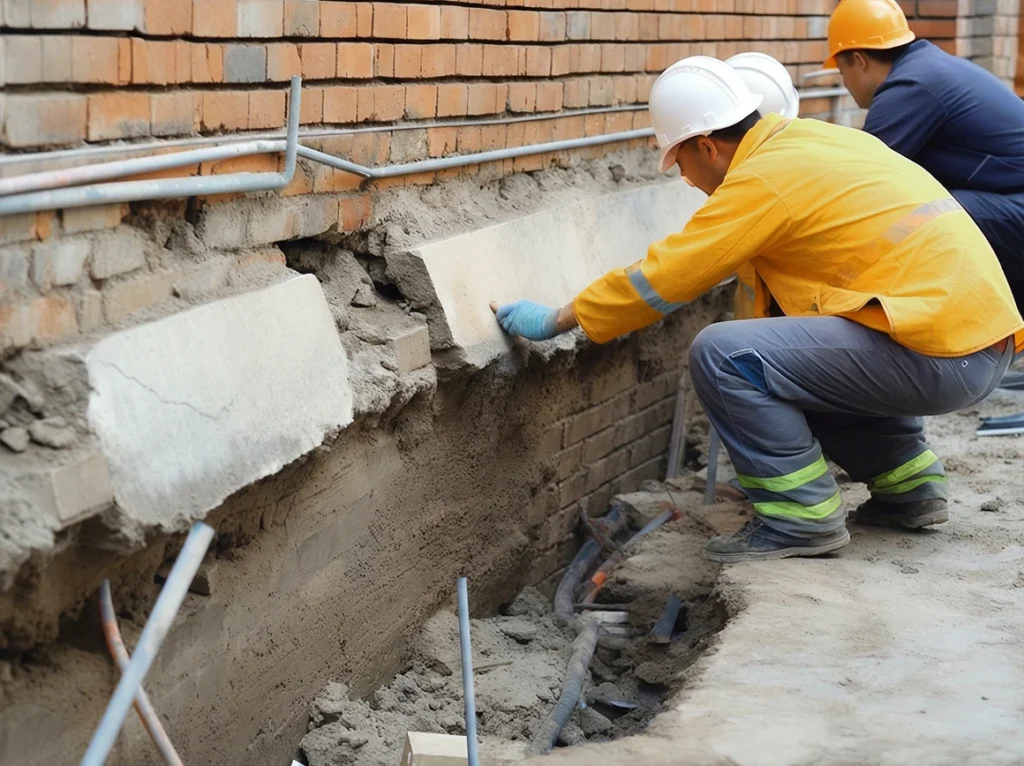
Where does the drain discharge? You should get an answer at the site visit. Have the mason show you where the drain discharges rather than simply saying that the wall needs better drainage. Show the wet joint at the visit. You still need to know why water collects there.
| At the site | Work to discuss |
| Leaves clog the drain. | Clear the outlet and inspect the pipe. |
| Water stays behind the wall. | Check the drain stone and pipe capacity. |
| Soil washes out at joints. | Check for voids and failed filter material. |
| Runoff heads toward the wall. | Provide a suitable route for runoff. |
| The pipe has broken. | Repair or replace the damaged components. |
A new pipe needs an appropriate outlet. Water from the drain shouldn’t flow straight back toward another section of the same wall. Your site’s conditions determine the route.
What Does Retaining Wall Repair or Replacement Cost in Connecticut?
“How much does it cost to fix a retaining wall?” needs a site check. The cost of retaining wall repair may include work behind the stone.
| Part of the bill | What you need to know |
| Wall size and material | Can the crew reuse stone? |
| Structural damage | How much wall needs removal? |
| Excavation and demolition | Who removes debris and surplus soil? |
| Soil and access | Can the machines reach the wall? |
| Drains and backfill | Which drain materials does the price include? |
| Disposal and yard work | Who pays for lawn repairs? |
| Design and permits | Does the total include the required fees? |
Review a quote for stone retaining wall repair costs with the drainage work in mind. Add demolition and disposal to the cost to replace a retaining wall if the quote leaves them out.
Connecticut Permits, Site Conditions and Project Plans
Put “driveway above the wall” on your first sketch if cars use the high side. The town needs to know about this load, even for a low wall. Greenwich lists walls over three feet as structures that require a permit; its exemption for lower walls excludes those with a surcharge.
Locals near a stream have a separate question about wetland review. Take the survey to the town with the sketch. Before you sign a contract, name the person who will submit each form. Confirm who arranges utility locations as well, before the crew opens the ground.
What Changed Beside Your Steps?
“This corner used to line up with the path.” A sentence like this gives the assessor a place to start. You don’t have to name the fault yourself.
- First date: Write down when you saw the gap.
- Old wall photos: Show the same area before the gap appeared.
- Loads above: Tell the assessor if a driveway or a structure rests on the high side.
- Structural support: Check who will assess the support if the wall has moved.
Read the proposed repair method beside the leaning retaining wall repair cost. You need to understand why the mason expects the repair to hold rather than simply patching the wall’s face again.
How to Care for Your Wall and Limit Future Damage?
A pile of mulch can hide the stub of pipe that drains the wall. If you can’t find the outlet, have the contractor show you the spot in a photo. You can then keep the end clear. Check again each year and after major storms.
Leave alterations to a professional. A hole through the stone won’t drain water that can’t reach the hole from behind. Before a truck dumps gravel above the wall for a patio job, check whether the wall can support the extra weight.
Conclusion
During the site visit, identify the problem area and ask how the damage occurred. Take the written proposal away with you. Check the work area against your photos at home. A provision for lawn repairs matters if the crew will use the lawn for access, so make sure this cost is included in the scope of work.
FAQs
Can You Fix a Lean?
Sometimes. The cause matters before anyone chooses the repair.
Does a Crack Mean a New Wall?
A failed base may need replacement, even with few cracks.
How Long Will the Job Take?
The scope and site access affect the work period.
Will I Need a Permit?
Your town must confirm this for your own project.
Can I Do the Repair Myself?
Leave structural repairs to a qualified professional.